
The Philippines Ranked 74th in the Global Digitalization Index. What Does This Mean for Businesses?
According to the latest BBVA Research DiGiX 2026 Update, as reported by BusinessWorld, the Philippines ranked 74th out of 96 economies, earning a Digitalization Index (DiGiX) score of 49.40 out of 100. Among the East and Southeast Asian economies included in the study, the Philippines posted the lowest score.
While the ranking may appear discouraging, it should instead serve as a call to action for Philippine businesses. Digital transformation is no longer just about adopting new technologies—it is about building resilient, data-driven, AI-ready organizations capable of competing in an increasingly digital economy.
For business leaders, the message is clear: organizations that invest in digital transformation today will be better positioned to innovate, improve operational efficiency, and remain competitive tomorrow.
What is the DiGiX 2026 Digitalization Index?
Developed by BBVA Research, the Digitalization Index (DiGiX) measures an economy's readiness for digital transformation through a multidimensional framework.
Unlike rankings that focus solely on internet penetration or broadband access, DiGiX evaluates countries across six complementary dimensions:
- Digital Infrastructure
- Affordability
- User Adoption
- Enterprise (Firm) Adoption
- Government Adoption
- Regulation and Cybersecurity
The report emphasizes that digital maturity is achieved not by excelling in just one area but by balancing all six dimensions to create a sustainable digital ecosystem.
Digital Transformation Has Evolved Beyond Connectivity
One of the biggest insights from the DiGiX 2026 Update is that digital transformation has entered a new phase driven by Artificial Intelligence (AI), enterprise digitalization, cybersecurity, and data-driven decision-making.
According to the report:
Digital transformation is no longer only about internet access. It increasingly reflects an economy's ability to generate, adopt, govern, and scale advanced digital technologies.
To reflect this shift, BBVA introduced several new indicators into the DiGiX methodology, including:
- AI Usage Index
- Enterprise software intensity
- Cybersecurity readiness
- Digital infrastructure performance
- Enterprise digital activity
These additions recognize that digital competitiveness now depends on how effectively organizations integrate digital technologies into everyday operations—not simply whether they are connected to the internet.
How the Philippines Compares with Regional Peers
| Economy | Global Rank | DiGiX Score |
|---|---|---|
| Singapore | 6 | 94.45 |
| Hong Kong SAR | 7 | 92.94 |
| South Korea | 19 | 83.89 |
| Japan | 20 | 83.37 |
| China | 43 | 68.56 |
| Malaysia | 44 | 68.27 |
| Thailand | 48 | 66.09 |
| Vietnam | 64 | 55.69 |
| Indonesia | 68 | 53.62 |
| Philippines | 74 | 49.40 |
Singapore continues to lead Southeast Asia through a balanced combination of advanced infrastructure, strong enterprise digitalization, government adoption, and AI readiness. Meanwhile, countries such as Malaysia and Thailand have steadily improved their digital capabilities by strengthening both public and private sector adoption.
The Philippines still has significant opportunities to improve enterprise digitalization, operational efficiency, and technology adoption.
Why This Matters More Than the Ranking Itself
The report reveals an important insight: economic development alone does not determine digital maturity.
BBVA found that countries with similar income levels often perform very differently in digitalization because of differences in:
- Institutional quality
- Enterprise digital adoption
- Cybersecurity
- Government digital services
- Regulatory quality
- Technology affordability
In fact, the report found a strong relationship between digitalization and economic productivity while highlighting that digital readiness is influenced by far more than GDP alone.
For businesses, this means digital transformation is not simply an IT initiative—it is a business strategy.
The Reality Inside Many Philippine Organizations
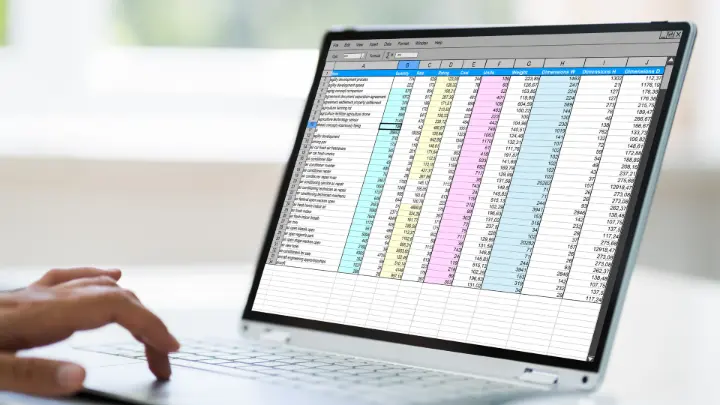
Many companies still operate with:
- Spreadsheet-driven processes
- Paper-based approvals
- Manual encoding
- Duplicate data entry
- Disconnected software applications
- Delayed financial reporting
- Limited visibility into operations
These operational inefficiencies prevent organizations from making timely decisions and responding quickly to changing customer demands.
Digital transformation starts by solving these foundational challenges.

How Odoo ERP Helps Businesses Build Digital Maturity
The DiGiX report places increasing importance on enterprise digitalization, recognizing that organizations with integrated digital operations are better positioned to adopt AI, improve productivity, and remain competitive.
This is exactly where Odoo delivers value.
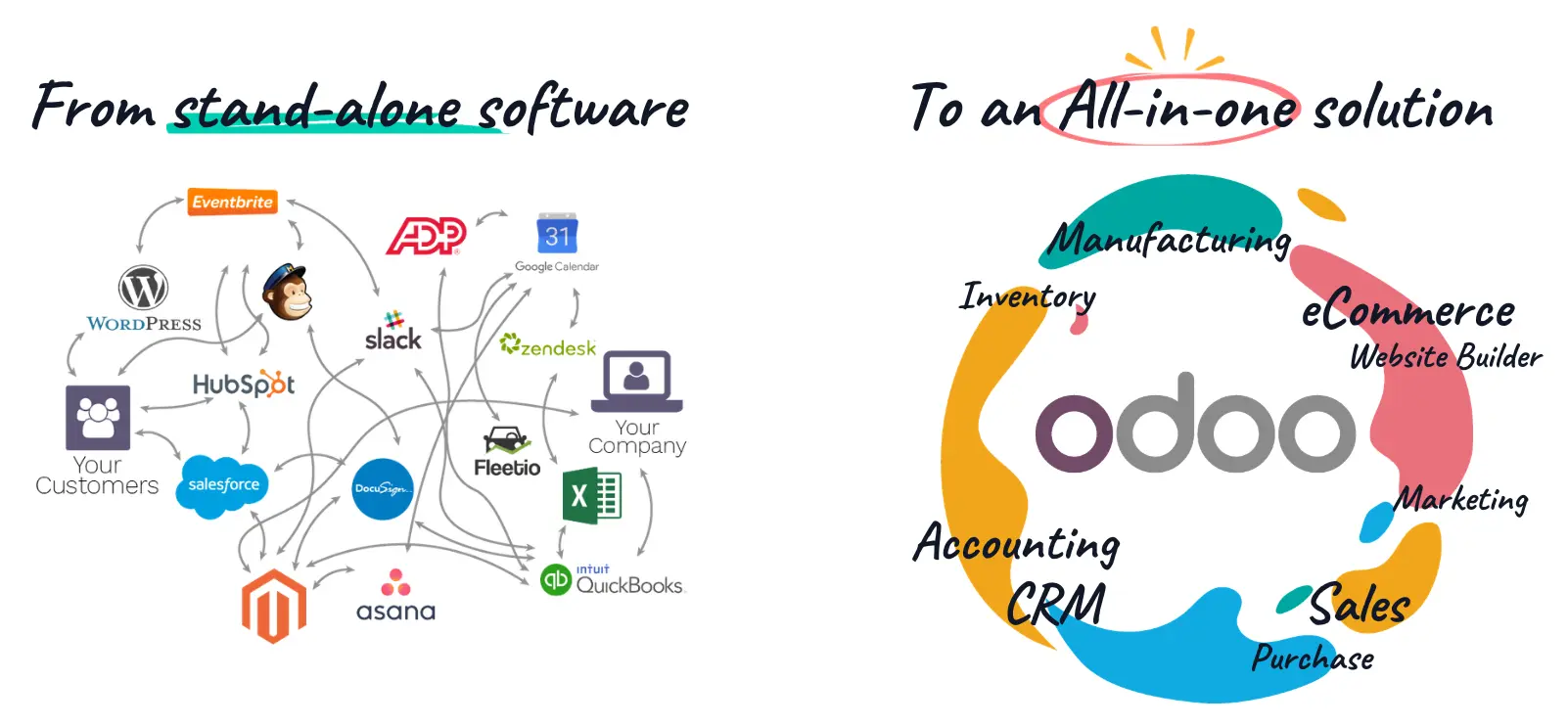
1. Connect Your Entire Business
Odoo integrates core business functions into one centralized platform:
- CRM
- Sales
- Accounting
- Inventory
- Purchasing
- Manufacturing
- Human Resources
- Payroll
- Projects
- Maintenance
- Field Service
- Marketing
- Website
- eCommerce
Instead of multiple disconnected applications, organizations gain one source of truth for their entire business.
2. Build an AI-Ready Organization
Artificial intelligence is only as effective as the quality of the data behind it.
When business information is scattered across spreadsheets, emails, and disconnected systems, AI cannot generate reliable insights.
Odoo centralizes business data, enabling organizations to:
- Improve forecasting
- Generate real-time reports
- Automate workflows
- Prepare for AI-powered analytics
- Support better executive decision-making
A connected ERP system provides the digital foundation organizations need before implementing advanced AI solutions.
3. Automate Repetitive Business Processes
Odoo reduces manual work by automating:
- Sales quotations
- Procurement approvals
- Inventory replenishment
- Customer invoicing
- Payment reminders
- Expense approvals
- Manufacturing workflows
- Employee leave requests
Automation improves accuracy, consistency, and productivity across departments.
4. Make Better Decisions with Real-Time Insights
Instead of waiting until month-end, executives gain live visibility into:
- Revenue
- Profitability
- Cash Flow
- Inventory Levels
- Sales Pipeline
- Manufacturing KPIs
- Project Performance
- Customer Service
Real-time dashboards enable faster, data-driven decisions.
5. Scale Without Replacing Your ERP
Digital transformation is a continuous journey.
Odoo's modular architecture allows businesses to start with the applications they need today and expand over time by adding:
- Manufacturing
- Point of Sale
- Maintenance
- Quality
- Rental
- Subscription
- Helpdesk
- Marketing Automation
- eCommerce
This flexibility helps organizations grow without the disruption of replacing their ERP system.
Digital Transformation Is More Than Technology
The DiGiX report concludes that digital transformation is inherently multidimensional.
Technology alone cannot create a digitally mature organization.
Successful digital transformation also requires:
- Process optimization
- Executive leadership
- Employee adoption
- Data governance
- Cybersecurity
- Continuous innovation
Organizations that align people, processes, and technology are better positioned to capitalize on digital opportunities.
Why Philippine SMEs and Enterprises Should Act Now
Waiting for the country's ranking to improve is not a strategy.
Every business can begin its own digital transformation journey today.
Organizations that modernize their operations with integrated ERP platforms gain measurable advantages:
- Lower operating costs
- Higher employee productivity
- Faster customer response times
- Better inventory accuracy
- Improved financial visibility
- Stronger compliance
- Better preparedness for AI adoption
Digital transformation is no longer reserved for large enterprises. Modern cloud ERP platforms such as Odoo make enterprise-grade capabilities accessible to businesses of all sizes.
Why Choose Malaya Tech?
Malaya Tech Consulting, Inc. is an Odoo Silver Partner in the Philippines, helping organizations transform operations through intelligent business solutions.
Our team has successfully delivered digital transformation projects across industries including:
- Manufacturing
- Retail & Distribution
- Telecommunications
- Financial Services
- Healthcare
- Construction
- Professional Services
- Hospitality
- Real Estate
Our services include:
- Business Process Assessment
- Odoo ERP Implementation
- Custom Development
- Systems Integration
- Data Migration
- User Training
- Managed Support Services
Our mission is simple: Break Business Barriers through Digital Transformation.
Moving Forward
The DiGiX 2026 Index should not be viewed merely as a ranking—it is a roadmap for the future of business.
As BBVA Research highlights, digital competitiveness increasingly depends on enterprise digitalization, AI readiness, cybersecurity, institutional quality, and connected digital ecosystems, rather than infrastructure alone.
For Philippine businesses, this presents an opportunity.
Organizations that invest in integrated ERP platforms like Odoo today will be better equipped to improve efficiency, harness AI, enhance customer experiences, and compete in both local and global markets.
At Malaya Tech Consulting, we're committed to helping organizations navigate this journey with proven expertise, industry best practices, and technology that empowers sustainable growth.
Because digital transformation isn't just about software—it's about building a smarter, more connected business.
References
- BBVA Research. DiGiX 2026 Update: A Multidimensional Index of Digitization. https://www.bbvaresearch.com/en/publicaciones/global-digix-2026-update-a-multidimensional-index-of-digitization/
-
BusinessWorld. Philippines trails regional peers in digitization index.
https://bworldonline.com/infographics/2026/07/15/763238/philippines-trails-regional-peers-in-digitization-index/ -
Odoo. Business Management Software.
https://www.odoo.com/